
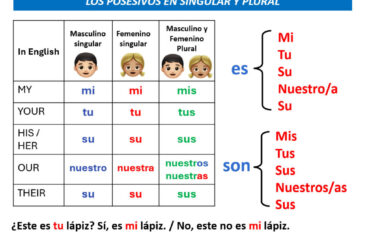
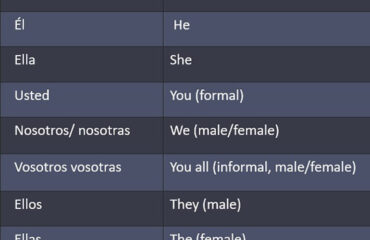
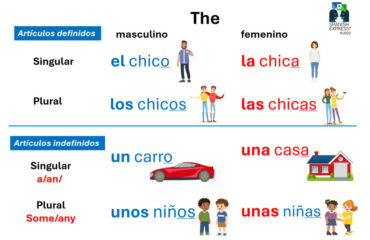




El pronombre sujeto/ The subject pronoun
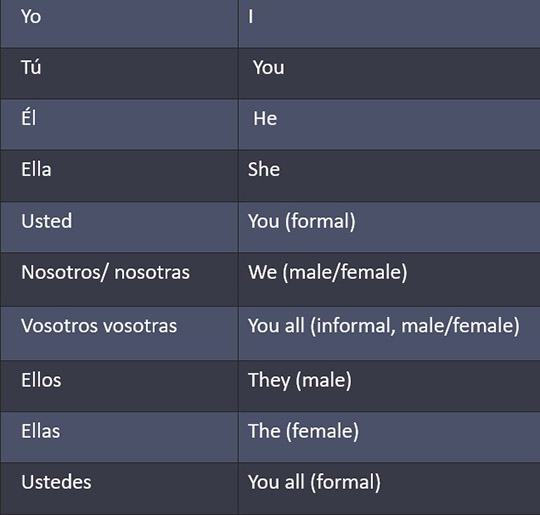
Pronombres de Objeto Indirecto:
Los pronombres de objeto indirecto corresponden a la pregunta ‘¿A quién?’ y ayudan a identificar al destinatario de una acción.
Me (yo) – Te (tú) – Le (él/ella/ Ud.) – Nos (Nosotros) – Les (Ustedes, Ellos/as)
Ej.: singular Plural
Me à gusta la ciudad gustan las ciudades
Te à gusta el carro gustan los carros
Le à gusta la fiesta gustan las fiestas
Nos à gusta el helado gustan los helados
Les à gusta el parque gustan los parques
| A mí | me |
| A ti | te |
| A usted | le |
| A él, a ella | le |
| A nosotros | nos |
| A ustedes | les |
| A ellos/ a ellas | les |
Indirect Object (Objeto Indirecto)
The Indirect Object is the person or thing that receives the Direct Object or benefits from or is affected by the action. It answers the question “To whom?” or “For whom?”
Examples
Se Impersonal – Con Objeto Indirecto
In this type of construction, what would normally be the direct object in the sentence becomes the subject, and it agrees with the verb come up not with the indirect object.
| ¿A quien? | Se + O.I. Pron. |
| A mí A ti A usted A él/a ella A nosotros A vosotros A ustedes A ellos a ellas | …se me …se te …se le …se le …se nos …se os …se les …se les |
Pronombres de Objeto Directo:
The Direct Object receives the action of the verb directly. It answers the question “What?” or “Whom?” after the verb.
Recordemos que, en el Objeto Directo, es el objeto o ser sobre el que recae la acción del verbo de manera indirecta. Mientras que en el Objeto Indirecto es el objeto modificado o afectado por el verbo. While the Indirect Object is the person or thing that receives the Direct Object or benefits from or is affected by the action. It answers the question “To whom?” or “For whom?”
Ejemplo:
| Pron. Personal | Pronombres de O.D. |
| yo | Me |
| tú | Te |
| Él-Ud/ ella-Ud. | Lo – La |
| nosotros/as | Nos |
| vosotros | Os |
| Ellos-Uds/ ellas-Uds | Los – Las |
Yo le doy un regalo a mi madre.
I give my mother a gift.
El profesor les explica la lección a los estudiantes.
The teacher explains the lesson to the students.
Carlos me envió un mensaje.
Carlos sent me a message.
Easy Rule to Remember
Quick Example
Ana le dio un libro a Juan.
Ana gave Juan a book.
Reflexive Pronouns (Pronombres Reflexivos) in Spanish
What is a Reflexive Pronoun?
A reflexive pronoun is used when the subject performs the action and also receives the action. In other words, the person does the action to themselves.
Reflexive Pronouns
| Spanish | English |
| me | myself |
| te | yourself |
| se | himself / herself / yourself (formal) |
| nos | ourselves |
| se | themselves / yourselves |
Examples
Easy Rule to Remember
A reflexive pronoun is used when the subject and the object are the same person.
Subject → does the action → to himself/herself/themselves.
Example:
María se peina.
María combs her hair.
